




Removing bulky waste in Teddington without council fines
Posted on 22/06/2026
Removing bulky waste in Teddington without council fines: the practical guide locals actually need
If you are dealing with an old sofa, a broken wardrobe, a mattress that has seen better days, or a pile of renovation offcuts, the whole thing can turn messy fast. And in Teddington, getting bulky waste wrong can mean more than a headache. It can mean missed collections, items left on the pavement, and the kind of fine nobody wants to explain to the family over dinner. This guide on Removing bulky waste in Teddington without council fines walks you through the safest, cleanest, most sensible way to handle it.
We will look at what counts as bulky waste, why council rules matter, how to plan a removal without trouble, and when a professional collection is the easier route. If you are sorting a move, clearing a flat, or just reclaiming a room that has slowly turned into a storage zone, you are in the right place.
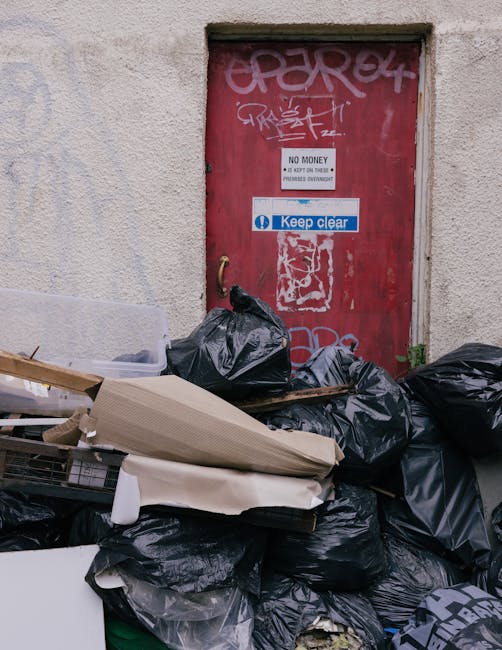
Why Removing bulky waste in Teddington without council fines Matters
Bulky waste sounds simple until you are standing in front of a two-seat sofa, a chipped chest of drawers, and a mattress that will not fit through the hallway. Then the practical questions start. Where does it go? Can it be left outside? Is it okay to book a collection for next week? What if it is wet, heavy, or partly dismantled?
In a place like Teddington, space is often tight, parking can be awkward, and access is not always generous. A bulky item left in the wrong place can become an obstruction very quickly. That can upset neighbours, delay collections, and, in some cases, trigger enforcement. To be fair, it is easy to see how people get it wrong. A busy move, a last-minute clear-out, and suddenly the skip is full or the van is too small.
Getting it right matters because it protects you from avoidable costs and saves time. It also reduces risk to anyone moving the item. Heavy furniture can damage floors, door frames, and backs. Nobody wants the sound of a wardrobe scraping a wall at 7:30 on a weekday morning. That's a special kind of regret.
Done properly, bulky waste removal is calm, legal, and efficient. Done badly, it becomes a chain reaction of hassle. One item becomes three, then you are juggling collection windows, parking issues, and whether the thing can even be lifted safely.
If your bulky waste is part of a wider move or declutter, it often makes sense to tie it in with a broader plan. Our guide on decluttering before moving is a useful next step if you want to sort what stays, what goes, and what should be stored.
How Removing bulky waste in Teddington without council fines works
The basic idea is straightforward: identify what needs to be removed, check how it should be handled, and choose a lawful disposal route that fits the item, the timing, and the property access. The tricky part is the detail.
Most bulky waste falls into one of a few practical categories:
- Large household furniture such as sofas, wardrobes, beds, tables, and chairs
- White goods and appliances, where safe handling matters
- Office items such as desks, shelving, and filing cabinets
- Mixed clear-out waste from a move, refurbishment, or probate clearance
- Special care items like pianos, heavy cabinets, or awkward fixtures
From there, you need to think about three things: access, sorting, and disposal route. Access means how the item gets out of the property and to the vehicle. Sorting means deciding whether it can be reused, recycled, dismantled, or needs specialist handling. Disposal route means choosing the right collection method so it does not land you in bother.
In practical terms, many people in Teddington choose one of these routes:
- Book a council-approved bulky waste collection if the timing and item type suit it.
- Arrange a private removal team to lift, load, and transport items quickly.
- Combine bulky waste with a house move, end-of-tenancy clear-out, or storage move.
- Use a mixed approach, where reusable items go one way and waste goes another.
If the item is large but still usable, that extra thought helps. A sofa that could be passed on should not be treated like rubbish if a better option exists. Our article on storing a couch properly is handy if you are unsure whether a piece should be kept, stored, or removed now.
And when the item is simply too heavy or awkward to shift safely, professional lifting makes life easier. This is where a service such as man with a van in Teddington can be useful for fast loading, short-distance transport, and flexible collection timing.
Key Benefits and Practical Advantages
There is more to this than avoiding a fine. A good bulky waste plan gives you breathing room, literally and mentally. The room feels bigger, the hallway stops becoming a storage trench, and the move or refurbishment starts to feel manageable again.
Here are the benefits people notice most often:
- Lower legal risk: you are less likely to leave items where they should not be.
- Less physical strain: someone experienced handles the heavy lifting.
- Faster clear-outs: one visit can remove several oversized items.
- Better recycling outcomes: reusable parts and recyclable materials can be separated properly.
- Less disruption: neighbours, landlords, and building managers are less likely to complain.
There is also a subtle but important benefit: you make better decisions. Once you have a proper removal plan, it becomes easier to ask, "Do we actually need this?" That question saves people money all the time. Truth be told, some of the biggest items in a home are the ones hanging around because they are inconvenient, not because they are useful.
If you are clearing a flat, the process can be especially useful. Tight staircases, narrow landings, and tricky corners are all part of the picture. For that reason, many local residents pair bulky item removal with flat removals in Teddington or a wider removals service in Teddington so everything happens in one clean sweep.
Who This Is For and When It Makes Sense
This kind of service is not just for people moving house. It helps in a bunch of everyday situations, and some are less obvious than others.
You may need bulky waste removal if you are:
- Moving out of a flat or family home
- Clearing a rental property at the end of a tenancy
- Replacing furniture after a renovation
- Dealing with inherited items from a probate clearance
- Making room for a new bed, sofa, or appliance
- Clearing an office, studio, or small business space
- Handling an urgent same-day clear-out after a broken item or last-minute move
It also makes sense when access is awkward. Teddington has its fair share of narrow entrances, shared access routes, and parking constraints. If a bulky item cannot be manoeuvred easily, trying to do it yourself can turn into a minor battle. Not dramatic, just annoying in the most expensive way.
For students, flat sharers, and tenants, the stakes are a bit different. You often need a quick, tidy solution that keeps the property in good order. In those situations, services like student removals in Teddington or office removals in Teddington can make the logistics simpler.
And if the item is too valuable or delicate to risk DIY handling, that is a clear sign to stop and reassess. Pianos, for example, are not a one-person job. The same goes for many heavy wardrobes and cabinets. If you are dealing with something especially awkward, our guide on the risks of solo piano moving is worth a look.
Step-by-Step Guidance
If you want a clean, legal bulky waste removal in Teddington, start with a proper sequence. Rushing is usually where people get into trouble.
1. Identify every bulky item
Walk through the property and write down what needs to go. Include items that may be broken down later, because a wardrobe, for example, may become several panels, screws, and a couple of very stubborn shelves. Be specific. "Old furniture" is not a plan.
2. Separate reusable, recyclable, and true waste
Some pieces may be suitable for reuse, donation, or storage. Others are clearly at the end of the road. Separate them early so you do not pay to remove items that could have been handled differently. This is where a little judgement helps.
3. Check access and lifting conditions
Look at stairwells, lift size, hallway width, parking, and whether there are any tight corners. A quick visual check can save a lot of faffing later. If the route is tight, a smaller vehicle or a more experienced lifting team may be the better fit.
4. Decide whether dismantling is needed
Some items are best taken apart before moving. Beds, wardrobes, and desk systems often come out more safely in sections. If you are also packing or moving furniture, useful guidance is available in packing a bed and mattress properly and packing efficiently for a move.
5. Book the right removal method
Match the method to the job. A single armchair is different from a full property clearance. A same-day request is different from a planned removal next week. If timing matters, same-day removals in Teddington can be the practical answer when you need speed without chaos.
6. Prepare the area before collection
Clear a path, protect floors if needed, and remove loose items from the furniture. A little preparation reduces damage and makes the crew faster. There is a certain satisfaction in watching a messy room become just a room again. Small win, but a real one.
7. Keep a record of what was removed
For landlords, tenants, and businesses, it can help to keep notes or photos. That way, if a property manager asks what happened to a specific item, you are not guessing three days later.
If storage is part of the picture, do not force everything out of the door at once. Sometimes it is smarter to store a few items temporarily. Our storage in Teddington option can help when you need breathing room between clear-out and final decision.
Expert Tips for Better Results
The difference between a smooth bulky waste removal and a stressful one is often in the small decisions. A few practical habits go a long way.
- Measure first. Doorways, stair turns, van heights, and lift openings all matter.
- Do not overfill the pile. A neat stack is safer and quicker to remove.
- Keep screws and fittings in one labelled bag. It sounds minor, but it stops chaos if you are dismantling furniture.
- Protect walls and floors. Blankets, corner protection, and careful turning save repair bills.
- Lift with a route in mind. Think through where your feet and hands will go, not just the item itself.
- Use the right vehicle size. Too small and you need repeat trips; too large and you may face access headaches.
One thing people often forget: bulky waste removal is a logistics job as much as a lifting job. The person who plans the route and sequence usually has an easier day than the person who just starts heaving. There is a reason experienced teams look calm. They have probably already solved the problem in their head before touching the item.
If you want to understand movement techniques a bit better, this piece on lifting heavy objects safely is useful, and so is our guide to kinetic lifting for more body-friendly handling.
And if you are dealing with a sofa or bulky upholstered piece, it can help to read how to preserve a couch in storage before deciding whether it should be kept, stored, or removed entirely.

Common Mistakes to Avoid
Most bulky waste problems are avoidable. Seriously, most of them.
Here are the usual mistakes that lead to stress or fines:
- Leaving items on the street without a confirmed collection
- Assuming every item can be disposed of the same way
- Forgetting to check access, parking, or loading restrictions
- Trying to move very heavy furniture without enough help
- Not separating reusable or recyclable materials
- Booking too late and rushing the job at the last minute
- Ignoring the condition of an item that contains sharp edges, glass, or loose parts
Another common slip-up is underestimating how long the job takes. A single bulky item may take minutes to load, but getting it through the building can take longer than expected. And if the route is tight or there are stairs, that time doubles. It always does, somehow.
There is also a reputational side to this. For landlords and businesses, leaving waste out can look careless. For households, it can upset neighbours or building managers. A tidy, planned removal avoids all that noise.
Tools, Resources and Recommendations
You do not need a van load of specialist kit, but the right basics make life easier.
| Tool or resource | Why it helps | Best for |
|---|---|---|
| Work gloves | Gives grip and protects hands from rough edges | Furniture, broken panels, mixed clear-outs |
| Furniture blankets | Protects walls, floors, and item surfaces | Large cabinets, sofas, delicate finishes |
| Straps or trolleys | Reduces lifting strain and improves control | Heavy items, long corridors, loading bays |
| Labelled bags for fixings | Stops screws and bolts getting lost | Dismantled beds, wardrobes, desks |
| Rubbish sacks and sorting boxes | Keeps small waste and recyclables separate | Clear-outs, mixed waste, office disposal |
In practice, the smartest recommendation is often not a tool at all. It is planning. A short walk-through before collection day can reveal whether an item should be dismantled, whether parking needs to be reserved, and whether another route would be safer.
If you are comparing transport options, our pages on removal vans in Teddington, man and van in Teddington, and broader removal services in Teddington can help you judge what level of support you need.
For items that need careful handling, especially in a narrow-access setting, the local guide on narrow access van tips for Teddington High Street moves is a genuinely useful read.
Law, Compliance, Standards, or Best Practice
This is the part people often skim, then regret later. In the UK, waste must be handled responsibly, and you should never assume it is fine to dump bulky items wherever there is space. If you arrange removal yourself, you remain responsible for where the waste goes and how it is handled. That is the simple version.
Best practice is to use a lawful disposal route, keep items out of public walkways unless a collection has been arranged, and make sure anyone removing waste is insured and knows how to handle it safely. If a service says it can take everything, that is not enough. It should also be able to explain how it manages loading, transport, and disposal in a sensible way.
Recycling and reuse should be considered before disposal when practical. That does not mean every broken chair needs a second life. It just means the right decision should be made item by item. That is normal, careful practice. It is also better for the environment and usually better for your wallet.
If you want to understand how a responsible removal provider approaches this, our recycling and sustainability page explains the company approach in plain English. For safety and service expectations more broadly, insurance and safety and the health and safety policy are also worth a look.
There is a practical best-practice angle too: if a bulky item is near a public path, keep it controlled until collection begins. Do not leave it half-out, half-in. That sort of thing causes trips, complaints, and the occasional grimace from every passing neighbour.
Options, Methods, or Comparison Table
Different bulky waste situations call for different solutions. Here is a simple comparison to help you decide.
| Method | Best for | Pros | Watch-outs |
|---|---|---|---|
| DIY disposal | Small, manageable loads with easy access | Flexible, potentially cheaper upfront | Heavy lifting, transport issues, disposal responsibility stays with you |
| Scheduled council-type collection | Planned household items that fit the rules | Straightforward when timing works | Availability, item limits, and waiting time can be inconvenient |
| Private bulky waste removal | Mixed loads, awkward access, urgent clear-outs | Fast, flexible, reduced lifting, one coordinated visit | Cost varies by volume, item type, and access |
| Combined move-and-clear service | Moves where some items stay, some go | Efficient, practical, less back-and-forth | Needs a clear plan so nothing important is removed by mistake |
For many Teddington households, private removal is the sweet spot when time is tight or access is awkward. It is especially useful if you are moving from a flat, clearing a family home, or dealing with furniture that needs careful handling. If the job is more than a few items, a one-and-done collection usually feels worth it.
There are also situations where moving items into short-term storage first is the smarter call. If you are undecided about a sofa, desk, or bed frame, a temporary pause can stop hasty decisions. That is where Teddington storage comes into play nicely.
Case Study or Real-World Example
A typical local scenario goes like this. A couple in a Teddington flat are preparing to move and have three bulky items to deal with: a worn sofa, a heavy wardrobe, and a broken table base. They first plan the move, then realise the old furniture will not fit in the new place and should not be taken along for the ride.
At first, they consider dragging everything outside the night before. Then they look at the hallway and the stair turn and realise that would be a mistake. Sensible moment. Instead, they take measurements, dismantle the wardrobe, clear the route, and arrange a removal slot that matches the move timetable.
They also separate a couple of reusable items, including a lamp and side table, so they are not bundled into the same removal pile. That small decision matters. Less waste, less lifting, less clutter. On collection day, the job is done in one visit, and the property is left tidy enough for final cleaning.
This is the pattern we see often. People do not usually need more drama; they need sequence, timing, and one or two sensible decisions made early. If your move is happening soon, the wider advice in how to achieve a smooth house transition without stress can help keep the whole process in line.
And if the clear-out is coming at the end of a tenancy, a proper tidy-up helps a lot. Our guide on pre-move-out cleaning can be useful alongside bulky waste removal.
Practical Checklist
Use this before collection day. It is simple, but it works.
- List every bulky item that needs to go
- Separate reusable, recyclable, and waste items
- Measure doors, stairs, lifts, and hallway turns
- Check whether any item needs dismantling
- Remove loose contents from cupboards, drawers, and appliances
- Protect floors, walls, and corners where needed
- Confirm the collection time and access details
- Make sure parking or loading access is realistic
- Keep paths clear and safe for lifting
- Photograph the items if you need a record
- Review whether storage is a better short-term option for anything uncertain
If you are packing at the same time, it can help to read packing and boxes in Teddington so the kept items and removed items do not get mixed together. Happens more than people like to admit.
Expert summary: The safest way to remove bulky waste in Teddington is to plan the route, choose the right disposal method, and avoid leaving anything in public space without a confirmed collection. Measure first, lift second, and never assume "I'll sort it later" is a strategy.
Conclusion
Removing bulky waste in Teddington without council fines is not really about luck. It is about preparation, common sense, and choosing the method that fits the item rather than forcing the item to fit the method. Once you know what needs removing, what can be reused, and how access works, the whole process becomes much easier.
For some people, that means a small planned collection. For others, it means help with lifting, loading, transport, and disposal in one clean sweep. Either way, the aim is the same: keep the property clear, stay on the right side of local rules, and avoid that last-minute scramble nobody enjoys.
If your bulky waste is part of a larger move, it is often worth speaking with a local removal team that understands Teddington access, timing, and the practical realities of tight streets and busy schedules. A good plan now saves a lot of noise later, and honestly, that is usually the nicest outcome.
Get a free quote today and see how much you can save.