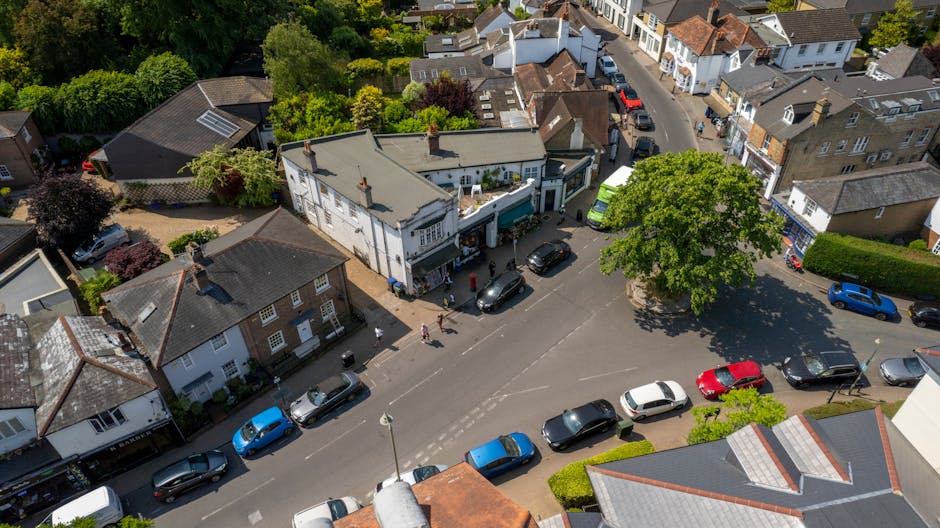




Teddington High Street moves: narrow access van tips
Posted on 27/04/2026
Teddington High Street Moves: Narrow Access Van Tips for a Smoother, Safer Move
If you're planning a move around Teddington High Street, the biggest challenge is often not the lifting or the packing. It's access. Tight turns, limited stopping space, parked cars, busy footfall, and awkward loading points can turn a straightforward move into a logistical puzzle. That's exactly why Teddington High Street moves: narrow access van tips matter. The right van choice, the right timing, and a sensible loading plan can save you time, reduce stress, and prevent avoidable damage.
This guide walks you through how narrow-access moving works in real life, what to watch out for, and how to prepare properly before the van even arrives. If you want a calmer move and fewer surprises on the day, you're in the right place.
For broader planning support, you may also find our guides on packing efficiently for a house move and pre-move decluttering useful before you book transport.

Why Teddington High Street moves: narrow access van tips Matters
Teddington High Street is a classic example of a place where moving looks easier on a map than it feels in person. The street environment can include short waiting windows, pedestrian movement, mixed traffic, and tight kerbside positioning. If your van is too large, too early, or parked badly, the move becomes slower and riskier almost immediately.
Narrow-access moving matters because the access route is part of the job. A good mover doesn't just think about the sofa, the boxes, or the wardrobe. They think about where the van will stop, how long it can stay there, how far items must be carried, and whether the building entrance allows safe lifting without blocking other people.
That planning also affects damage risk. The shorter and clearer the carry route, the lower the chance of scrapes on bannisters, chipped paintwork, scuffed furniture legs, or a badly timed lift in the middle of the pavement. And if you're moving from a flat above a shop, a terrace, or a property with no driveway, the margin for error gets even smaller.
Truth be told, narrow access is where a lot of DIY moves quietly go wrong. Not because the people involved are careless, but because they underestimated the space needed to manoeuvre a van and the time needed to load it properly.
If your move is part of a bigger house or flat relocation, a trusted man with a van service or the wider removals support options can be a practical fit for balancing capacity and access.
How Teddington High Street moves: narrow access van tips Works
The process starts before moving day. A narrow access move is usually built around a few decisions:
- Which vehicle size can safely reach the property?
- Where can the van load and unload without creating avoidable disruption?
- How much carrying distance is involved from door to vehicle?
- What furniture or appliances need disassembly or extra protection?
- What timing avoids the worst congestion and foot traffic?
In practical terms, the mover will usually assess access first, then plan the loading sequence. That sequence matters. The heaviest, most awkward, or most fragile items should be considered early, not left until the end when the team is tired and the van is half full.
For example, if you're moving a sofa, mattress, and several boxed belongings from a first-floor flat, the van position can determine whether the team makes one calm round trip or several awkward shuttles. One small access mistake can multiply workload very quickly.
Good planning also includes packing. Smart packing reduces the number of trips, keeps items stable in transit, and helps the load fit a smaller van efficiently. If you want a refresher, see these packing strategies and our practical guide to lifting heavy objects safely.
Key Benefits and Practical Advantages
Choosing the right approach for a narrow-access move gives you much more than convenience. It can change the whole feel of the day.
1. Faster loading and unloading
When the van can get close enough to the entrance, the team spends less time carrying items over long distances. That means less fatigue, fewer delays, and a better chance of completing the move within the planned slot.
2. Lower risk of damage
A shorter route from home to van generally means fewer opportunities for collisions, knocks, and accidental drops. That's especially important for awkward items such as tables, wardrobes, mirrors, and appliances.
3. Better use of a smaller vehicle
A well-planned narrow-access move often works better with a smaller or medium van than a larger one that cannot actually position itself properly. In other words, bigger is not automatically better.
4. Less disruption to neighbours and other road users
When parking is considered early, loading tends to be more orderly. That helps reduce frustration for neighbours, pedestrians, and passing traffic. Nobody enjoys a van parked at a strange angle with someone apologising every ninety seconds.
5. More accurate quotes and timing
Clear access details help a removal company judge the job properly. That improves scheduling, staffing, and price estimates. For more on budgeting and service planning, the page on pricing and quotes is a useful next stop.
Who This Is For and When It Makes Sense
Narrow-access moving advice is most useful if any of the following apply:
- You live on or near a busy high street with limited parking
- Your property is in a terrace, flat, or mixed-use building
- There is no driveway or rear access
- You're moving bulky furniture through a narrow hallway or stairwell
- You need a van that can stop quickly and safely for loading
- You want to avoid paying for extra time caused by poor access planning
It also makes sense if you're moving a small household but still have a few awkward items. A one-bedroom flat can be easier in volume but trickier in access if the building layout is tight.
Students, renters, families, and office movers all face different access issues. A student move might be about a few bags, a desk, and a mattress. An office move might involve IT equipment, chairs, and filing units. The access question is the same, but the handling needs differ.
If you're moving out of a compact property, the flat removals service model is a good reference for how narrow spaces are typically handled. For larger household jobs, house removals support may be the better fit.
Step-by-Step Guidance
Step 1: Measure the access, not just the furniture
Measure doorways, hallways, stair widths, and any corners that may need furniture to turn. Then look outside. Is there space for a van to pull in? Is the road usually busy? Are there parking restrictions or loading-only areas? You're trying to understand the route from room to vehicle, not just the dimensions of the items themselves.
Step 2: Identify the bulkiest items first
List the hardest pieces to move, such as wardrobes, beds, sofas, mirrors, and appliances. These items often determine the van size and the loading sequence. If they fit comfortably, the rest of the job is much easier to manage.
Step 3: Decide what should be dismantled
Disassembly can make a dramatic difference in a narrow access move. Bed frames, table legs, shelving, and some wardrobes can often be reduced into safer, easier-to-carry parts. If you're unsure how to handle specific items, our guide to moving beds and mattresses is a useful reference point.
Step 4: Plan the loading order
Load the van in a way that protects fragile items and makes the best use of available space. Heavy items usually go first, placed securely and evenly. Lighter, more fragile boxes should be stacked where they won't be crushed. This is where a carefully packed van saves real time later.
Step 5: Create a clear path inside the property
Before lifting starts, remove trip hazards, loose mats, low obstacles, and anything that could snag a blanket or knock someone off balance. In tight houses or flats, even a shoe left in the wrong place can become surprisingly annoying.
Step 6: Time the move sensibly
If the street is busier at certain times, avoid them if you can. A calmer loading window can reduce pressure and improve safety. Early planning helps here, especially if you need a vehicle that can work around local access limitations rather than fight them.
Step 7: Confirm communication on the day
Make sure everyone involved knows who is directing the move, where the van will stop, and which items are priority loads. Clear communication is often the difference between a controlled move and a hectic one.
Expert Tips for Better Results
Experienced movers tend to focus on the small things that make a big difference.
- Use the smallest practical van. A compact vehicle may be easier to place near the property than a larger one.
- Wrap corners and edges. Narrow entrances and stairwells are where furniture gets damaged first.
- Keep one person outside the property if needed. A simple handoff point can save a lot of confusion.
- Protect floors and thresholds. Heavy foot traffic and repeated item movement can leave marks very quickly.
- Don't overfill the van too early. Leave room for the awkward last items that almost always turn up.
- Book with access details in mind. The more honest and precise the briefing, the better the plan.
If you have a fragile item such as a piano, avoid assuming it can be handled the same way as boxed household goods. It usually cannot. For a sense of why specialist handling matters, see the risks of DIY piano moving.
Expert summary: For narrow-access moves, the best result rarely comes from brute force. It comes from the right vehicle, a clean route, a realistic loading plan, and enough breathing space to move carefully.
That last point sounds obvious, but it's often what people forget when the clock starts ticking.

Common Mistakes to Avoid
Most access problems are preventable. The tricky part is spotting them before moving day.
Choosing a van without checking the street
People often book based on the amount of stuff they own, not the space the vehicle needs to stop. On a narrow high street, a van that is technically large enough can still be the wrong choice.
Ignoring parking and loading restrictions
Even if you don't need exact legal advice for a simple move, you do need to understand local restrictions and practical loading rules. Never assume you can just stop anywhere and sort it out later.
Underestimating carry distance
A few extra metres sounds minor until you've done it with a mattress, a washing machine, or six heavy boxes. Carry distance adds fatigue and time, especially on stairs.
Forgetting to protect the route
It's not just the furniture that needs safeguarding. Floors, door frames, and shared corridors all need consideration too.
Leaving packing too late
Loose, poorly packed boxes are harder to carry and harder to stack. That creates risk inside the van and at the property entrance.
Not flagging awkward items in advance
If you have a freezer, large sofa, or heavy desk, mention it early. That allows for the right planning and, if necessary, the right support. Our article on storing a freezer when it's not in use can help if you're leaving appliances out of service for a while.
Tools, Resources and Recommendations
For a narrow-access move, the most useful tools are often simple and practical:
- Measuring tape: for doorways, hallways, furniture, and stair clearances
- Furniture blankets: to protect corners, surfaces, and painted edges
- Ratchet straps or tie-downs: for stabilising items in the van
- Sturdy gloves: to improve grip and reduce hand strain
- Trolley or sack truck: for heavier loads where terrain allows it
- Labels and markers: to identify priority boxes and fragile items
- Floor protection: especially where repeated carrying passes through one tight route
Some moves also benefit from storage. If your access is limited and your moving dates don't line up perfectly, a short-term storage solution can reduce pressure. See storage options in Southgate for the kind of support many customers use during staged moves.
And if you're assembling a wider moving plan, the services overview page is a sensible place to compare what's available before you commit.
Law, Compliance, Standards, or Best Practice
For most household moves, the most relevant concern is not a complex legal framework; it's sensible practice, safety, and courtesy. That said, you should still be mindful of parking restrictions, access arrangements, and any building rules that apply to your property or street.
In the UK, removal work is typically expected to follow common safety standards: careful manual handling, proper vehicle loading, reasonable care for property, and clear communication with the customer. If a move involves steep stairs, bulky goods, or shared spaces, a cautious approach is the professional norm.
Good movers also work with appropriate insurance and documented safety processes. If you want to understand the wider reassurance around this, read the company's insurance and safety information and health and safety policy.
There's also a straightforward customer-side best practice: be honest about access. If the street is tight, if parking is limited, or if there are stairs, say so clearly at the quote stage. That helps everyone avoid unrealistic expectations.
Options, Methods, or Comparison Table
Different narrow-access moves call for different methods. The right choice depends on the size of the load, the property layout, and how much time you have.
| Approach | Best for | Strengths | Limitations |
|---|---|---|---|
| Small van with short carry distance | Flats, partial moves, compact loads | Easier parking, faster access, less street disruption | May require careful packing to maximise space |
| Medium van with planned loading zone | Typical household moves | Good balance of capacity and manoeuvrability | Needs more precise parking and route planning |
| Multiple trips with a smaller vehicle | Very restricted streets or low-volume moves | Can be safer where large vans are impractical | More time-consuming if not organised well |
| Full-service removal team | Bulky, fragile, or time-sensitive moves | Better handling, stronger planning, less stress | May cost more than a simple van-only hire |
If you're deciding between a basic van hire and a more guided service, look closely at how much access support you really need. A narrow street can change the value of the entire decision.
For many customers, a tailored removal van option or a flexible man and van service offers the best mix of control and convenience.
Case Study or Real-World Example
Imagine a couple moving from a first-floor flat near Teddington High Street to a nearby home with no driveway. The property has a narrow staircase, a small entrance hall, and limited waiting space outside. The largest items are a bed frame, mattress, compact sofa, coffee table, and several boxes of kitchenware.
If they arrive with a van that cannot stop safely, the move immediately becomes slower. Items must be carried farther, the team has to pause more often, and the street becomes part of the problem. But if the vehicle is chosen with access in mind, the move becomes much more manageable.
In a well-planned version of this scenario, the couple:
- disassemble the bed frame the day before
- pack boxes by weight rather than by room only
- reserve their heaviest items for early loading
- confirm the closest safe stopping point in advance
- set aside a clear route through the flat
The result is not magic. It's just better organisation. The carry is shorter, the van is loaded more efficiently, and the whole job feels calmer. That's often the real benefit of narrow-access planning: less drama, fewer delays, and a lot less improvisation.
Practical Checklist
Use this checklist before your move day:
- Measure doors, corridors, stairwells, and key furniture pieces
- Check whether the van can stop close enough to the entrance
- Identify parking or loading restrictions near the property
- Decide which items need disassembly
- Pack fragile items securely and label them clearly
- Prepare floor and door protection where needed
- Keep the pathway clear inside the property
- Confirm the loading order for heavy and fragile items
- Tell the mover about awkward access details in advance
- Allow extra time if you expect a long carry or shared access
For additional moving preparation, our article on making a house move less stressful pairs well with this checklist.
Quick takeaway: the most efficient narrow-access moves are usually the ones planned around the street, not just the boxes.
If you're ready to book or want practical guidance tailored to your property, start with the team's contact page and explain the access conditions as clearly as you can.
Get a free quote today and see how much you can save.
Conclusion
Teddington High Street moves can be perfectly manageable when narrow access is treated as a planning issue, not an afterthought. The right vehicle, realistic timing, clear packing, and a sensible loading strategy all work together to reduce pressure on the day.
If you remember only one thing, make it this: access is part of the move itself. Measure it, describe it, and plan for it properly. Do that, and you'll avoid most of the headaches that turn a normal move into a frustrating one.
With a little preparation, even a tight high street move can run smoothly. Sometimes the difference between chaos and calm is just a few metres of planning.