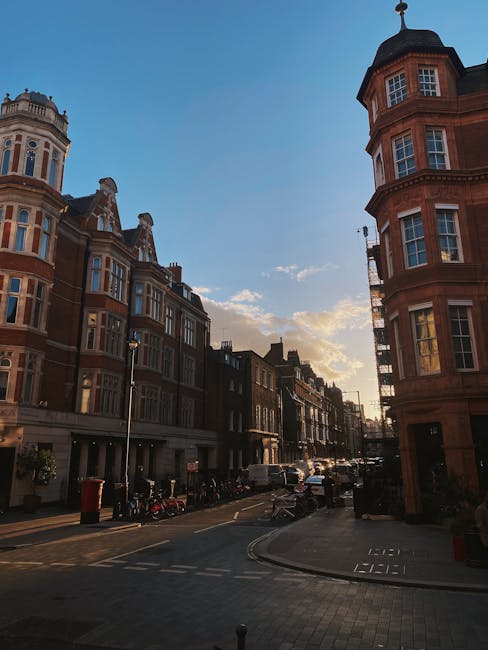
TW11 House Removals Guide for Narrow Victorian Streets
If you are planning a move in TW11, you already know the layout can be a bit of a puzzle. Narrow Victorian streets, tight front paths, small hallways, parked cars, awkward staircases - all of it can turn a simple house move into a careful bit of choreography. This TW11 house removals guide for narrow Victorian streets is here to make that job easier, calmer, and much more predictable.
In practice, the difference between a smooth move and a stressful one often comes down to planning for access. Not the glamorous part, granted. But the part that saves time, protects furniture, and stops everyone standing on the pavement wondering how the sofa is going to turn that corner. Whether you are moving from a terraced Victorian house, a maisonette, or a period conversion, the right approach matters.
This guide explains how narrow-street removals work, what to watch out for, how to prepare your home, and which options usually make the most sense in TW11. It also covers practical compliance points, a comparison of moving methods, and a realistic checklist you can actually use on the day. Let's get into it.
Why TW11 House Removals Guide for Narrow Victorian Streets Matters
Victorian streets in TW11 were not designed for modern moving traffic. That sounds obvious, but the reality only really hits home on moving day. You may have a narrow carriageway, limited turning space, a line of cars on both sides, and residents trying to get past with buggies, shopping, or bikes. Add a removal van, a couple of wardrobes, and a rainy afternoon, and you have a lot going on very quickly.
This matters because access problems are rarely just inconvenient. They affect timing, labour, vehicle choice, safety, and the condition of the items you are moving. A route that looks fine for a normal car can be a headache for a long wheelbase van. A front door that opens neatly into a hall may still be too tight for a sofa once you try to turn it. And sometimes the issue is not the property at all, but the street outside it.
To be fair, plenty of TW11 homes are perfectly movable - but they are usually movable because someone planned properly. That is the key point here. Narrow street removals are less about brute strength and more about method, patience, and timing. If you get the access plan right, the rest feels much easier.
Expert summary: In narrow Victorian streets, successful removals are usually won before the van arrives. Parking access, item sizing, route planning, and stair protection matter just as much as lifting technique.
There is also a trust angle. When movers understand tricky streets, they tend to give better advice on van size, loading order, and arrival windows. If you are comparing providers, it can help to look at how clearly they explain their process on pages such as house removals, removal services, and removal company. Good guidance is a sign they have actually dealt with awkward homes, not just easy ones.
How TW11 House Removals Guide for Narrow Victorian Streets Works
The basic process is straightforward, but the details make the difference. A narrow-street move usually starts with assessing access from the street inward: parking, pavement width, steps, hallway turns, stairs, landings, doors, and the route out to the vehicle. Then you match the right vehicle and crew size to that route.
In many TW11 streets, one of three things happens. Either the removal vehicle can park close enough for direct loading, it has to stop a little further away and use trolleys or carrying straps, or a smaller vehicle has to be used instead of a larger van or truck. That choice can change the pace of the move quite a lot.
A good move team will usually think in layers:
- Street access: Can the vehicle stop safely and legally close to the property?
- Property access: Are there steps, narrow hallways, low ceilings, or tight bends?
- Item access: Which items need dismantling, wrapping, or special handling?
- Load plan: What should go in first so the van is used efficiently?
- Timing: What time of day is likely to be calmer and less congested?
That last point gets overlooked more often than it should. If your street is busy around school run hours or commuter times, the road can feel half its width by mid-morning. An early start may sound dull, but it can make the whole day smoother. And a smoother day is worth a lot when you are already juggling keys, documents, and a kettle somewhere in the middle of the chaos.
If you need extra help with boxing up contents before a tricky move, the packing and unpacking services page is worth looking at. Packing is not just about speed; it is also about making awkward items easier to carry through tight spaces without damage.
Key Benefits and Practical Advantages
The main benefit of planning a TW11 move around narrow Victorian streets is reduced risk. That sounds tidy, but the practical result is very real: fewer scrapes on walls, less strain on movers, less chance of blocked access, and less time lost trying to wrestle furniture around a bend it was never meant to face.
Here are the advantages that matter most in real life:
- Better vehicle choice: You avoid hiring something too large for the street.
- Faster loading and unloading: Good planning shortens the distance between door and van.
- Lower damage risk: Smaller turns and protected routes mean fewer knocks.
- Less stress for neighbours: You are less likely to block driveways or create avoidable noise.
- Smoother timing: Fewer surprises mean less waiting around on a moving day that already feels long.
There is also a money angle, though it is worth keeping expectations sensible. The cheapest option on paper is not always the cheapest in practice if access is difficult. A van that is too large can cost you time. Extra time can mean extra labour. Sometimes the smarter move is a well-sized vehicle and a crew that knows how to work the street, not one that just turns up and hopes for the best.
For readers comparing cost structures, the page on pricing and quotes can help frame what affects the quote. Access, walking distance, dismantling, waiting time, and packing support all shape the final figure.
Who This Is For and When It Makes Sense
This guide is for anyone moving within or from TW11 where street access is tight, especially in older terraced roads, Victorian conversions, and homes with limited frontage. It is also useful if you are moving into the area and do not yet know how tricky the local access will be from the outside.
It makes sense if any of the following sound familiar:
- You live on a narrow residential street with parked cars on both sides.
- Your front door opens straight onto a small hallway or staircase.
- You have large items like wardrobes, beds, sofas, pianos, or long mirrors.
- You are moving without much help from neighbours or family.
- You want the move done in a single day, with as little fuss as possible.
It is also relevant if you are planning a smaller move and think a full-size removals truck may be overkill. In some cases, a smaller van or a flexible man-and-van setup is a better fit. If that sounds like your situation, the pages for man and van, man and van removals, and moving van can be useful comparisons.
Truth be told, people often realise they need this kind of planning only after the first awkward measurement. The sofa is fine in the lounge, but not fine in the stairwell. The bed frame looks flat, but not flat enough once the banister is involved. Happens all the time.
Step-by-Step Guidance
If you want the move to feel controlled rather than chaotic, work through the process in order. Do not skip ahead to van booking before you have checked access. That is where a lot of trouble starts.
1. Measure the awkward bits first
Measure the width of hallways, stair turns, door frames, and any tight landing points. Then measure your largest items. You are looking for the pinch points. If a wardrobe is too tall to tilt or too wide to turn, you need to know that early, not on the day it has to leave.
2. Check the street outside
Look at parking restrictions, double yellows, driveways, and the practical width of the road. Ask yourself: can a van stop here without causing a problem? If the answer is "maybe, sort of," then plan for a smaller vehicle or a short carrying distance. The street is part of the move, not just the backdrop.
3. Decide what needs dismantling
Flat-pack furniture is usually straightforward, but older furniture can be less forgiving. Beds, tables, shelving, and some wardrobes may need partial dismantling. If the item has already lived a full life and wobbles a little when you look at it - and honestly, many do - dismantling may also protect it from splitting during the move.
4. Protect the route
Use coverings where needed on floors, bannisters, corners, and door frames. This is especially helpful in Victorian homes where original features can be vulnerable to chips and scuffs. A couple of minutes spent protecting a landing can save a lot of regret later.
5. Load in the right order
The van should be loaded with heavier items first, then boxed items, then lighter or fragile items placed where they will not get crushed. The route from house to van should stay clear. If there are narrow steps, it helps to keep a person on the door side and a person at the vehicle end. Simple, but it works.
6. Allow for the unexpected
Old buildings are full of surprises. A door that sticks. A stair tread that creaks oddly. A frame that looks standard until the mattress arrives. Give yourself some breathing room. A move with a little slack built in is far better than one run on the knife edge.
If the move includes a bulky sofa, a bed base, or an item that is just plain awkward, related advice such as preserving your couch and packing your bed and mattress can help with preparation and protection.
Expert Tips for Better Results
A few small decisions can make a big difference in narrow Victorian streets. These are the kinds of things experienced movers tend to focus on early.
- Book for a quieter window: Early morning often works better than later in the day, especially where parking is tight.
- Leave a clear path inside: Shoes, lamps, plant pots, and loose rugs become annoying obstacles very quickly.
- Use labels that tell a story: Not just "kitchen," but "kitchen - fragile glasses" or "upstairs bedroom - first to unload."
- Disassemble before the pressure starts: The last hour before the van arrives is not the time to be hunting for an Allen key.
- Keep neighbours in mind: A brief heads-up can prevent complaints if the van needs to stop close to a doorway or driveway.
One practical trick that helps in a lot of TW11 homes is to move small items out of the way the evening before. It sounds obvious, but by 7am on moving day, the little things feel twice as many. Keys go missing. Tea goes cold. Someone is always asking where the tape went. You know the scene.
It can also help to compare full removals against smaller vehicle options. A company that offers flexible services such as man with a van, man with van removal, or a removal van may be better suited to tight street access than a larger truck, depending on the amount you are moving.
Common Mistakes to Avoid
The most common mistake is assuming the property interior is the only challenge. In narrow Victorian streets, the street outside can be the bigger issue. If you plan only for the hallway and stairs, you are missing half the picture.
Here are the missteps that cause trouble most often:
- Booking a van too large: Bigger is not always better if parking or turning is difficult.
- Ignoring parking restrictions: A beautiful removal plan collapses quickly if the vehicle cannot stop legally.
- Not measuring furniture: Guesswork is a poor friend on moving day.
- Forgetting about neighbours: Blocking access without warning creates unnecessary tension.
- Leaving packing until the last minute: That is how fragile items get rushed and damaged.
- Not checking stairs and banisters: Narrow turns are where many scratches happen.
Another quiet mistake is underestimating how tiring repeated short carries can be. Carrying one item from the front room to the van is fine. Carrying thirty boxes down a narrow staircase to a vehicle parked round the corner? Very different story. The legs feel it by mid-afternoon, no question.
If you are decluttering before the move, this is a good time to sort bulky items early. A guide like decluttering before moving can help reduce the load and make tight access easier to manage.
Tools, Resources and Recommendations
You do not need a complicated toolkit, but a few basic items can make narrow-street removals far safer and calmer.
- Furniture blankets and wrap: For protecting surfaces and corners.
- Strong tape and labels: To keep boxes secure and easy to identify.
- Gloves with grip: Helpful for carrying awkward items without slipping.
- Furniture sliders or a dolly: Useful for heavier pieces across smooth floors.
- Measuring tape: Still one of the most underrated moving tools, oddly enough.
- Doorstop wedges: Handy for keeping doors open when your hands are full.
For support around moving logistics, the broader service pages for removals, removals near me, and movers can help you compare the type of help you actually need, rather than paying for more than the job calls for.
If your move involves fragile packing or a lot of unpacking at the other end, it is worth considering whether you want just transport or a more complete service. The difference can save a surprising amount of time when the boxes land in the new place and everyone is looking for the kettle. Always the kettle.
Law, Compliance, Standards, or Best Practice
Because narrow Victorian streets often involve roadside loading, it is sensible to think about parking rules, access rights, and general safety practice. Exact requirements can vary by location, street restrictions, property type, and the time of day, so checking local parking arrangements in advance is wise. If loading needs to happen on a public road, you should plan carefully to avoid obstruction, unsafe stopping, or inconvenience to neighbours and other road users.
Good practice usually includes the following:
- Making sure the vehicle can stop safely and legally.
- Keeping pavements and access routes clear where possible.
- Using enough people to move heavy items safely.
- Protecting communal areas, walls, floors, and banisters.
- Checking insurance coverage for goods in transit and handling.
Safety matters, but so does practicality. A team should not force an item through a gap if the route is clearly wrong. That is how damage happens. Better to pause, rotate, dismantle, or change the route than to push on and hope for the best.
It is also sensible to review company documents such as health and safety policy, insurance and safety, and terms and conditions before confirming a booking. Those pages help you understand how the business handles risk, liability, and service expectations.
Options, Methods, or Comparison Table
Different moves need different setups. In TW11, the right choice often depends on how narrow the street is, how much you own, and whether you need labour-only help or full transport. Here is a simple comparison to make the decision clearer.
| Option | Best for | Strengths | Watch-outs |
|---|---|---|---|
| Full house removals | Larger homes or full-property moves | Most complete support, better for bigger loads, less lifting for you | May need careful parking planning in very tight streets |
| Man and van | Smaller to medium moves, flexible access | Often easier in narrow roads, good for shorter distances | May require more involvement from you in packing and timing |
| Smaller removal van | Homes with awkward access or limited parking | More manoeuvrable, easier to position nearby | May need multiple trips if load is large |
| Mixed approach | Tricky streets plus larger volume | Balances access and capacity, can reduce stress | Needs good coordination and clear planning |
For many TW11 Victorian street moves, a mixed approach is the sweet spot. You may not need the largest vehicle possible. You may need the most practical one. That is a useful distinction, and people sometimes miss it.
Case Study or Real-World Example
Picture a typical TW11 terraced house with a narrow pavement, a short front garden path, and a hallway that turns before the stairs. A couple is moving a three-bedroom home with a bed frame, a wardrobe, a dining table, and several boxes of books. The street is already lined with parked cars by mid-morning.
Instead of sending in a large vehicle and hoping for the best, the move is handled with a smaller van that can stop closer to the house. The wardrobe is dismantled the night before. The dining table legs are removed. Fragile items are packed separately. Floor coverings are laid from the front door to the hallway turn. One person stays near the van, one at the doorway, and the load order is planned so the biggest items go in first.
The result? Fewer delays, fewer awkward turns, and no one trapped in the hallway trying to rotate a sofa by inches. Nothing magical. Just sensible planning.
That sort of approach is why services like home moves, house movers, and even narrow-access van tips can be useful reading if your own street feels a bit tight. The more specific the access challenge, the more valuable the planning becomes.
Practical Checklist
Use this checklist a few days before the move, then again the evening before. It is simple, but it catches a lot of avoidable problems.
- Measure the largest furniture and compare it with doorways and stair turns.
- Check parking restrictions and likely stopping points on your street.
- Decide whether a smaller van will be easier than a larger one.
- Dismantle beds, tables, shelves, or other awkward items if needed.
- Pack fragile items separately and label them clearly.
- Protect floors, walls, bannisters, and corners with suitable coverings.
- Keep entrances, hallways, and landings clear of loose items.
- Tell neighbours if access may briefly be blocked.
- Confirm the arrival time and make sure someone can answer the door.
- Keep keys, documents, phone chargers, and essentials in one place.
Quick reminder: the best narrow-street moves are usually the ones where everyone knows the route before the first box is lifted.
Conclusion
A move in TW11 does not have to feel like a wrestling match with a staircase. Narrow Victorian streets bring real challenges, yes, but they are manageable when you plan around access instead of treating it as an afterthought. Measure properly, choose the right vehicle, protect your property, and keep the day flexible enough to absorb small surprises.
The main takeaway is simple: the street matters as much as the house. Once you accept that, the whole move becomes easier to control. A little preparation goes a long way, and honestly, it is one of those jobs where calm thinking pays off more than rushing ever will.
If you are comparing moving options, reviewing access issues, or just trying to work out what size van makes sense for your street, now is a good time to get practical help and a clear plan in place.
Get a free quote today and see how much you can save.
And if you are moving soon, take a breath, make the plan, and trust the process. The box mountain does come down eventually.
Frequently Asked Questions
What makes TW11 house removals harder on narrow Victorian streets?
The main issue is access. Narrow roads, limited parking, tight hallways, and awkward stair turns can all slow a move down. Victorian homes often have charming layouts, but charming is not always easy when you are carrying a wardrobe through a bend.
Should I choose a smaller van for a narrow street move?
Often, yes. A smaller or more manoeuvrable van can be easier to park and load on tight streets. The best choice depends on how much you are moving and whether the vehicle can stop close enough to the property without causing disruption.
How far in advance should I plan a TW11 move?
As early as you reasonably can. Even a few days of preparation helps with measuring furniture, checking parking, and deciding whether anything needs dismantling. For busy periods, earlier is better.
Do I need to dismantle furniture before the removals team arrives?
For large or awkward items, usually yes or at least partly. Beds, shelving, and some wardrobes are often easier and safer to move when broken down first. If you are unsure, ask during the quote stage rather than guessing on the day.
How do I know if my street is too tight for a large removal truck?
Look at the width of the road, the amount of parked cars, and whether a large vehicle could turn or stop safely near your home. If it feels tight for a car already, it may be wise to use a smaller vehicle or a different loading plan.
What should I do about parking on moving day?
Check the restrictions on your street and plan the vehicle position in advance. If legal stopping is difficult, you may need a more flexible van size or an alternative loading point. Parking is one of the biggest make-or-break issues in narrow-street moves.
Is a man and van service enough for a Victorian house move?
It can be, especially for smaller homes, partial moves, or situations where access is very tight. For larger properties or more furniture, a full removals service may be better. It depends on volume, access, and how much help you want on the day.
How can I protect walls and banisters during the move?
Use blankets, wraps, corner protection, and floor coverings where appropriate. The idea is to create a clear route so furniture does not scrape against original features. In older homes, this is especially worthwhile.
What if the sofa or bed does not fit through the hallway?
Pause and reassess rather than forcing it. Sometimes the item needs to be rotated, dismantled, or taken through an alternative route. A good mover will look for the safest option instead of pushing through and risking damage.
Are packing services worth it for a narrow street move?
Often, yes. Proper packing makes items easier to carry, easier to stack, and less likely to break when they are being manoeuvred through tight spaces. If you have fragile or awkward items, the extra support can be very helpful.
What is the biggest mistake people make with narrow Victorian street removals?
Assuming the move is only about what happens inside the house. In reality, the street, parking, and vehicle choice are just as important. When those are ignored, everything else gets harder.
How do I choose between full removals and a smaller moving van?
Start with volume and access. If you have a full house and enough space outside, full removals may suit you best. If access is tight or the move is smaller, a moving van or man-and-van setup can be more practical. The right choice is the one that fits the street as well as the contents.