Teddington waste disposal rules: council guidance for removals
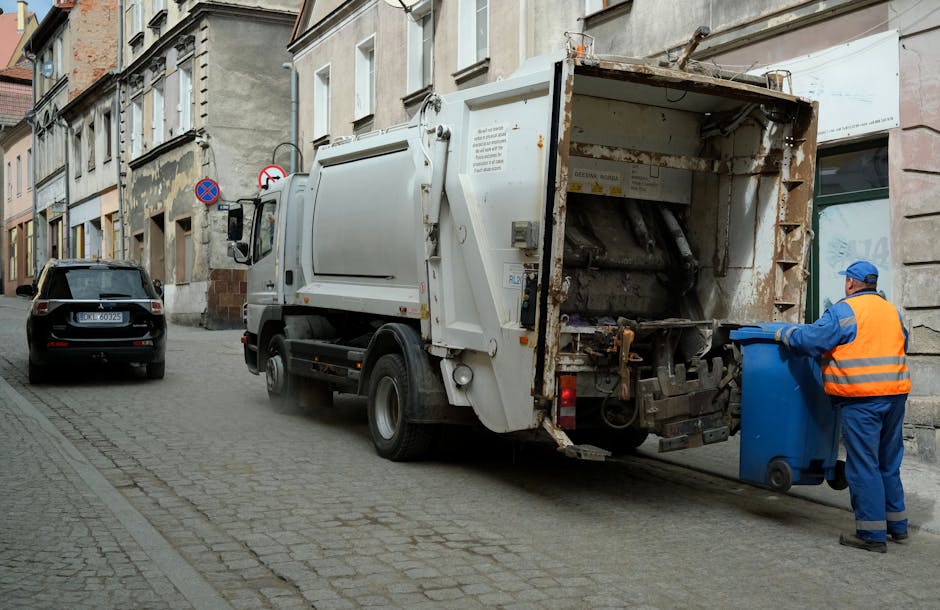
If you are planning a move in Teddington, waste can become the awkward part nobody really wants to think about until the boxes are stacked by the door. Old furniture, broken appliances, garden cuttings, leftover packaging, and the half-forgotten items in the loft all need a proper plan. That is where Teddington waste disposal rules: council guidance for removals matters. The right approach helps you stay tidy, avoid nuisance on the pavement, and reduce the risk of fines or rejected collections. It also makes moving day feel much less chaotic. Truth be told, a bit of sorting early on saves a lot of stress later.
This guide walks through how waste disposal works in a removals context, what usually trips people up, and how to manage bulky or mixed waste responsibly in a local move. If you are decluttering before a house move, organising a flat clearance, or trying to make sense of council expectations, you will find practical answers here.
Why Teddington waste disposal rules matter
Waste rules are not just red tape. In a place like Teddington, where residential streets can be busy, parking is often tight, and properties range from modern flats to older homes with narrow access, rubbish left in the wrong place can quickly become a problem. A few bin bags or a broken wardrobe might not look like much at first, but once they are on a pavement or in a communal hallway, they can block access, attract complaints, and create safety issues.
The practical side is just as important. If you are moving out, you are probably juggling removals, keys, cleaning, last-minute repairs, and maybe a storage decision or two. Having a clear waste plan keeps the move from becoming one long scramble. It is especially useful if you are already following advice like a step-by-step guide to decluttering before moving or preparing a property for handover with pre-move-out cleaning.
There is also a trust angle. Landlords, neighbours, managing agents, and councils all tend to notice when someone leaves waste behind. A neat, compliant removal is simply easier on everyone. No drama, no awkward phone calls, and no weekend spent dragging an old sofa back inside because collection was refused. Been there? Many people have.
How Teddington waste disposal rules: council guidance for removals works
In plain English, the process is about separating what can go in normal household waste streams from what needs special handling. For removals, this usually breaks into a few categories: general rubbish, recycling, reusable items, large bulky objects, electrical items, and anything that may require a licensed disposal route.
When you are moving, council guidance generally means following the local rules on where waste can be placed, when it can be set out, what must be sorted, and what should not be dumped by the roadside or outside a property. That last one matters more than people think. Putting items out too early, using the wrong containers, or leaving loose rubbish near the kerb can create issues, especially in shared streets or around flats.
For removals, a sensible workflow often looks like this:
- Sort items into keep, donate, recycle, and dispose.
- Check whether any item is restricted, hazardous, or oversized.
- Decide whether you need council collection, a private removal service, or a reuse route.
- Bundle and label waste neatly so it can be handled quickly and safely.
- Time disposal so it fits the move-out schedule, not the other way round.
If the items are heavy or awkward, it is worth thinking about safe handling at the same time. A lot of people underestimate how clumsy a damaged wardrobe or a wet mattress can be. If that sounds familiar, efficient strategies for lifting heavy objects by yourself and the science of kinetic lifting are useful companions to this topic.
One small but practical point: disposal timing matters. If the van is arriving at 8 a.m. and your waste is still mixed into the hallway at 7:45, the day gets messy fast. Better to finish the sorting the evening before, ideally.
Key benefits and practical advantages
Following the right disposal approach is not only about staying on the good side of the council. It makes the whole move smoother, safer, and cheaper in the long run. That sounds a bit neat, but it is true.
- Less stress on moving day: clear areas mean the crew can work without tripping over loose waste.
- Lower risk of rejected rubbish: mixed waste and badly prepared items are more likely to cause problems.
- Better use of van space: when waste is sorted early, only the items that really need moving take up room.
- Cleaner handover: especially important for end-of-tenancy moves and sales completions.
- Safer handling: controlled disposal reduces lifting hazards and sharp-edge accidents.
- More sustainable outcomes: reuse and recycling are easier when items are separated properly.
For people moving from a flat, the benefits can be even more obvious. Limited lift access, tight staircases, and shared entrances make extra clutter feel ten times larger than it is. If you are in that situation, it may help to look at flat removals in Teddington alongside practical packing support such as packing and boxes in Teddington.
Who this is for and when it makes sense
This guidance is for anyone arranging removals in or around Teddington who needs to clear items responsibly. That includes homeowners, tenants, landlords, students, business owners, and families doing a larger clear-out. It also applies if you are downsizing, moving into storage, or handling a deceased estate where the waste picture is a bit more complex and sensitive.
It makes sense to pay close attention to disposal rules when you are dealing with:
- broken furniture that will not fit in normal bins
- white goods such as fridges or freezers
- old mattresses or bed frames
- boxes filled with mixed household rubbish
- electrical items, cables, and small appliances
- paint tins, chemicals, batteries, or other restricted items
- builders' waste from DIY jobs done before a move
Students moving out of shared housing often need the most help here, because one flat can generate surprisingly awkward waste in very little time. If that is your world right now, student removals in Teddington can be a useful starting point, especially when the deadline is, well, uncomfortably close.
Commercial moves are similar. Offices often end up with old desks, monitors, printers, packaging, and paperwork that should not simply be dumped into the nearest bin. For those jobs, office removals in Teddington are usually easier to manage when waste and transport are planned together.
Step-by-step guidance
Here is a practical way to handle removal waste without making life harder than it needs to be.
1. Walk the property before you pack anything
Do a room-by-room sweep and make a simple list. Be honest. If the chair has been wobbling for a year and the lamp stopped working last spring, count them as disposal items. Do not let them sneak onto the van by accident. That kind of thing happens more than people admit.
2. Separate reusable, recyclable, and disposable items
Reuse first where possible. A desk, sofa, or shelving unit may be suitable for donation or resale if it is in decent condition. Recyclables should be kept clean and separate where practical. General waste should be bagged or bundled in a way that is safe to carry.
3. Identify anything that needs special handling
Large appliances, batteries, certain liquids, and some electrical items should not be treated like normal rubbish. If you are unsure, stop and check rather than guessing. Guessing is how people end up with a problem nobody wants.
4. Decide the disposal route early
For straightforward waste, a council-approved route may be enough. For bulky items, mixed loads, or time-sensitive clearances, a removal team with disposal support can be more efficient. If you need the work done quickly, same-day removals in Teddington can be helpful where availability allows.
5. Keep waste separate from the items you are moving
This sounds obvious, but when boxes start stacking up, it is very easy for one pile to blur into another. Label clearly. Keep disposal items near the exit only when you are ready. If you have a property with a narrow hall or staircase, this becomes even more important. staircase tightspot moves in Victorian homes is a good reminder of why flow matters.
6. Confirm the final sweep before the van leaves
Look in cupboards, behind doors, under beds, and in outdoor storage. The stray kettle, cracked mirror, or old broom often turns up at the last minute. It is oddly always the broom.
Expert tips for better results
A few simple habits can make a very big difference.
- Start early: a two-hour sort becomes easier when it is done over two evenings.
- Measure bulky items: it helps you decide whether an item should be removed, stored, or broken down safely.
- Use the move as a filter: if something has not been used for years and is not worth transporting, let it go.
- Protect surfaces during handling: old waste can still damage walls, banisters, and flooring.
- Think about access: parking, loading distance, and stairs all affect how waste should be staged.
- Keep paperwork simple: if a landlord, agent, or buyer expects the property empty, document what has been removed.
If the move itself is complex, keep your disposal plan proportionate. You do not need a big operation for every job. Sometimes a careful van load and a neat sort is enough. Sometimes not. That judgment call matters.
It can also help to prepare the rest of the move around the waste. Good packing supports good disposal. For example, if you know which items are being kept, you can pack better and avoid damage. See proper packing for a smoother move and packing your bed and mattress step by step for practical support.
Common mistakes to avoid
Most problems with disposal are not dramatic. They are just annoying, expensive, or both. The good news is that they are easy to prevent once you know what to look for.
- Dumping items outside too early: it can attract complaints and create obstruction issues.
- Mixing recyclable and general waste: this slows things down and can lead to refusal.
- Leaving hazardous items in the wrong pile: never assume batteries, chemicals, or old paint can go with normal rubbish.
- Forgetting about hidden waste: lofts, sheds, cupboards, and under-stair storage often contain the final surprise.
- Underestimating lifting risk: damaged furniture can be heavier and more awkward than it looks.
- Assuming every item can go in one load: mixed waste is where a lot of moves go sideways.
One slightly unglamorous but real mistake is forgetting the smell. A freezer left unused, defrosted, or half-cleared can produce a lovely little wake-up call you did not ask for. If you have one to deal with, essential tips for maintaining freezer condition when unused may save your nose and your patience.
Another common issue is rushing furniture out without enough care. If the item is awkward, it can scrape walls, chip paint, or injure whoever is helping. A little patience is cheaper than a repair quote.
Tools, resources and recommendations
You do not need a warehouse full of gear, but a few practical tools make rubbish sorting and removals much easier.
| Tool or resource | Why it helps | Best use |
|---|---|---|
| Strong bin bags and rubble sacks | Keep waste secure and easier to carry | General rubbish, mixed soft waste, packaging |
| Labels or marker pens | Stops keep items and dispose items getting mixed | Sorting rooms before moving day |
| Blankets, straps, and gloves | Protects hands and helps with safe handling | Bulky furniture and awkward loads |
| Boxes for recyclables | Prevents loose paper, cables, and small items from scattering | Clean recycling piles and office clearances |
| Storage option | Buys time when you cannot decide what to keep yet | Downsizing, staging, or delayed handover |
If you are not ready to part with everything, temporary storage can prevent rushed decisions. That is especially helpful for family heirlooms, seasonal items, or furniture you may want to reassess later. See storage in Teddington if you need breathing room during the move.
For particularly bulky or delicate possessions, it is worth using the right service rather than trying to improvise. That includes furniture removals and, where relevant, piano removals in Teddington. A piano is not just another item; it is a job in itself.
Law, compliance, standards, or best practice
In the UK, waste handling is guided by general duties around proper disposal, duty of care, and responsible transfer of waste. You do not need to become a legal specialist to move house, but you do need to avoid behaviour that looks like fly-tipping or careless dumping. That includes leaving waste where it causes an obstruction, handing rubbish to an unverified collector, or disposing of restricted materials as if they were ordinary household waste.
Best practice in a removals context usually means:
- using a legitimate disposal route
- keeping transfer notes or collection details where appropriate
- sorting recyclable and non-recyclable items sensibly
- handling electricals, batteries, and hazardous items separately
- avoiding any action that could be interpreted as illegal dumping
For a moving customer, the safest position is simple: know what you are giving away, know where it is going, and do not rely on guesswork for anything that looks unusual. If you are comparing moving providers, it is worth checking how they talk about responsibility, safety, and disposal handling. Pages such as insurance and safety and health and safety policy can help you judge how seriously a company approaches this side of the job.
There is a wider sustainability angle too. Responsible removals are not just about avoiding problems; they are about reducing waste. Reuse, repair, and recycling should usually come before disposal whenever practical. That is why a considered approach often feels better at the end of the day. Less waste. Less noise. Less mess.
Options, methods, or comparison table
There is no one perfect disposal route for every move. The right choice depends on time, item type, access, and how much you want handled for you. Here is a simple comparison.
| Method | Best for | Pros | Watch-outs |
|---|---|---|---|
| Council-style household disposal | Routine domestic rubbish and approved bulky items | Familiar, structured, often cost-conscious | May require sorting, timing, and advance planning |
| Reuse or donation | Usable furniture and household goods | Better for sustainability and often less wasteful | Items need to be presentable and in workable condition |
| Private removal with disposal support | Bulky, mixed, or time-sensitive clearances | Saves time and reduces manual handling | Choose a provider carefully and confirm what is included |
| Short-term storage first | When you are not ready to decide | Creates space and reduces rushed decisions | Costs more than direct disposal, so use selectively |
If you are unsure which route fits your move, look at the size and complexity of the job first. A tiny studio clear-out is very different from a family house with a shed full of tools and a freezer that has seen better days. The route should match the mess, not the other way round.
Case study or real-world example
A typical Teddington move might start with a family in a Victorian terrace preparing to leave by Friday morning. The living room has a sofa that will not make the journey, two broken dining chairs, a wobbly bookcase, several bags of mixed rubbish, and an old freezer in the side return. Nothing outrageous, just the usual collection of stuff that gets ignored until move week.
Rather than leaving everything for the final afternoon, they sort the house over two evenings. Reusable items are separated. The books go into a donation box. The broken furniture is grouped near the front room, ready for removal. The freezer is emptied and checked so it can be handled correctly. Packaging waste is bagged. By the time the van arrives, the property is nearly clear and the path to the door is open.
What changed? Nothing magical. Just early sorting, a clearer decision on what should be moved versus disposed of, and a better grip on access. The move itself felt calmer. The hallway stayed usable. No one had to step over random clutter carrying a mattress down the stairs. Small win, but a real one.
For a different example, imagine a flat move where the resident is short on time and has only a small lift and one parking bay. In that case, hiring a team that understands local access and can combine waste removal with transport is often easier than trying to do it all separately. A quick look at man and van in Teddington or man with a van in Teddington may be the practical next step.
Practical checklist
Use this checklist a day or two before moving day. It keeps things simple.
- Walk through every room, cupboard, loft, and storage area
- Separate keep, donate, recycle, and dispose piles
- Identify bulky, electrical, or restricted items early
- Bag or bundle waste securely
- Keep disposal items away from the main load until final collection
- Check access, parking, and lift/stair constraints
- Prepare a clear route to the door
- Confirm what will be taken by the removal team
- Do a final sweep of cupboards, lofts, sheds, and under stairs
- Leave the property clean and empty, or as agreed
If you are using a removal company, it is also sensible to review booking details and any conditions before the day arrives. A quick glance at terms and conditions and pricing and quotes can prevent misunderstandings later. Not exciting, admittedly, but very useful.
Get a free quote today and see how much you can save.
Conclusion
Teddington waste disposal rules are easiest to manage when you treat them as part of the move, not an afterthought. Sort early, separate waste properly, keep an eye on bulky or restricted items, and choose the disposal route that fits the job. That approach protects access, reduces stress, and makes your handover much cleaner. It also helps you avoid the last-minute panic of staring at a pile of unwanted stuff at 9 p.m. wondering how it all got so much bigger.
If you want removals to feel organised rather than overwhelming, waste planning is one of the simplest wins available. And sometimes the simple wins are the best ones.
Frequently Asked Questions
What are the main Teddington waste disposal rules I need to follow during a move?
The main idea is to dispose of household waste responsibly, keep items sorted, avoid obstructing pavements or entrances, and handle bulky or restricted items through the correct route. For removals, planning is just as important as collection.
Can I leave old furniture outside my property for collection?
Only if it is allowed through the appropriate collection route and set out at the correct time. Leaving furniture out too early or in the wrong place can cause complaints, access problems, or disposal issues.
What counts as bulky waste in a Teddington move?
Anything too large for normal household bins usually counts as bulky waste. That often includes sofas, wardrobes, mattresses, tables, and large appliances. If it is awkward to carry or too large for regular collection, treat it as bulky.
How should I deal with electrical items and appliances?
Electrical items should be separated from general rubbish. Larger appliances, batteries, and anything with cables or plugs may need special handling. It is safer to keep them in their own pile and confirm the right route before removal.
Is it better to recycle, donate, or dispose of items before moving?
Usually yes, in that order. Reuse and donation are often the best first option if the items are still in usable condition. Recycling is the next sensible step, and disposal should be used for items that cannot be reused or recycled.
What should I do if I have waste but no time before moving day?
Start with the items most likely to cause problems first: bulky furniture, large bags of waste, and anything that blocks access. If time is tight, a same-day or next-day removal option may be the simplest way to stay on track.
Do I need to separate recycling from general waste before a move?
Yes, ideally. Separation makes disposal quicker, tidier, and more likely to follow the correct route. It also stops recyclable material from being lost in a general waste pile, which is annoying and wasteful.
What if I am moving from a flat with narrow stairs or limited access?
Then access becomes part of the waste plan. Keep disposal items close to the exit only when ready, measure awkward furniture, and avoid blocking halls or stairwells. Moves in older buildings need a bit more care, especially in tight spots.
Can a removals company help with waste disposal as part of the move?
Often, yes. Some removal services can help move bulky items, sort loads, and support responsible disposal planning. It is worth confirming exactly what is included before booking so you know where responsibilities sit.
What are the most common mistakes people make with move-related waste?
The biggest ones are leaving items out too early, mixing waste types, forgetting about restricted items, and underestimating how heavy or awkward rubbish can be. A little sorting goes a long way.
How can I keep waste disposal from delaying my move?
Do a pre-move sweep, sort waste room by room, and make a final decision on bulky items at least a day in advance. When waste is dealt with early, the actual move tends to feel much calmer and cleaner.
Where can I get more help planning a move in Teddington?
If you want support with removals, packing, access planning, or a local move that includes bulky items, you can look through the site's removal and advice pages, or reach out directly through the contact page when you are ready. A bit of guidance upfront can save a lot of hassle later.