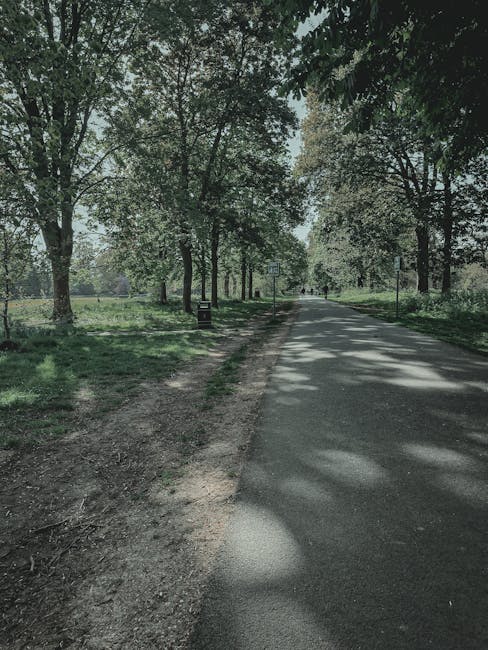




Bushy Park landmark moves: safe routes for bulky items
Posted on 21/05/2026
Moving a sofa, piano, wardrobe, exercise bike, or other oversized item through the Bushy Park area sounds straightforward until you picture the reality: narrow access roads, parked cars, awkward corners, low branches, busy school runs, and a bulky item that somehow feels heavier at the exact wrong moment. That is where Bushy Park landmark moves: safe routes for bulky items becomes more than a phrase. It is the difference between a smooth relocation and a stressful, slow, slightly embarrassing afternoon.
This guide explains how to plan safer routes for large items around Bushy Park and nearby Teddington streets, what to check before moving day, and when it makes sense to bring in a professional team. You will also find practical tips on loading, lifting, packing, timing, and avoiding the common traps that catch people out. To be fair, bulky-item moves are rarely complicated because of the item alone. It is the route, the timing, and the lack of prep that usually causes the trouble.

Why Bushy Park landmark moves: safe routes for bulky items matters
Bushy Park is a beautiful part of southwest London, but beauty and convenience do not always travel together. The area includes historic surroundings, residential streets, and routes where movement planning matters more than people expect. If you are shifting bulky furniture, appliances, or specialist items, a route that looks fine on a map may be less friendly on foot. A turning point may be too tight. A pavement may be uneven. A van may need to stop farther away than planned.
Safe route planning matters because bulky items are not only awkward; they are vulnerable. A small bump can chip a table leg, strain a hinge, or scuff a wall. A missed step on a curb can turn a manageable job into a repair bill. And if two people are carrying something heavy through a cramped route without thinking it through, the risk to backs, hands, and feet rises quickly.
There is also a time factor. A route that is not properly planned tends to create stop-start movement: unload, move a few metres, pause, turn, regrip, then try again. That kind of stop-start rhythm is tiring and, honestly, a bit annoying. A better route keeps the flow steady. Less lifting. Less stress. Fewer surprises.
If your move involves more than one large item, it often helps to read a broader guide like how to keep a house move calm and organised and the practical advice in the decluttering-before-moving guide. Both can save time before you even touch the first box.
How Bushy Park landmark moves: safe routes for bulky items works
At a practical level, safe route planning means working backwards from the item to the road. You start by measuring the item, checking access points, and identifying the easiest path from the property to the vehicle. Then you strip out anything unnecessary: loose shelves, handles, glass inserts, wires, or detachable feet. After that, you protect the item and the route itself.
For a Bushy Park-area move, that route often includes one or more of the following:
- a front path with a gate or narrow opening
- a side return or rear access point
- steps, kerbs, or a sloped pavement
- a short walk to the van because parking is limited
- shared spaces where neighbours, cyclists, or pedestrians may pass through
The key is to identify the least risky path, not just the shortest one. A shorter route with a tight corner can be much slower than a longer route with a clean, straight line. In our experience, the "best" route is often the one that leaves room to breathe. You do not want to be squeezing a wardrobe past a doorway while someone is trying to open their front gate. Everyone ends up doing that awkward half-step shuffle. Not fun.
Professional movers usually assess the route before lifting begins. They look at item size, team size, vehicle access, weather, floor surfaces, and any restrictions that could affect the move. If you are booking a service, the details on removal service options and vehicle capacity and van choice can help you understand how the process is typically structured.
Key benefits and practical advantages
Planning a safe route for bulky items is not just about avoiding problems. It also makes the move more efficient, more predictable, and less physically draining. That matters whether you are moving a single item across the park area or dealing with several large pieces on the same day.
| Benefit | What it means in practice | Why it matters |
|---|---|---|
| Less damage risk | Fewer collisions with walls, banisters, doors, and floors | Protects your item and your property |
| Safer lifting | Clear paths and fewer awkward turns | Reduces strain and accidental drops |
| Faster movement | Less stopping to rethink the route | Saves time on move day |
| Better coordination | Everyone knows where they are going and when | Reduces confusion and crossed instructions |
| Lower stress | Fewer surprises and less rushing | Makes the whole day feel manageable |
One subtle benefit people often miss is confidence. When the route is clear, the whole team moves better. Shoulders drop. Instructions get shorter. The job feels under control. That calmness is worth a lot, especially if the item is valuable or awkward, like a piano or a heavy mirrored wardrobe.
For items that need special handling, the page on furniture removals in Teddington is a useful next step. And if the bulky item is especially delicate, such as a piano, it is worth reading specialist piano moving support before making any assumptions about a DIY approach.
Who this is for and when it makes sense
This kind of planning is useful for a lot of people, not just those doing a full house move. If you live near Bushy Park and need to move one large item, the same route logic still applies.
- Homeowners moving sofas, wardrobes, beds, or appliances
- Flat residents dealing with stairwells, shared entrances, or tight landings
- Landlords or tenants relocating furniture between properties
- Students moving desks, beds, or compact but heavy items
- Office teams shifting desks, filing cabinets, and IT equipment
- Anyone with a specialist item that cannot be dragged, tilted, or forced through a narrow opening
It also makes sense when access is likely to be awkward. For example, if the van cannot park directly outside, if there are time restrictions, if the item must be carried across shared ground, or if a neighbour's parked car narrows the route. Truth be told, those little access issues are what often make the difference between a tidy job and a messy one.
If your move is small but urgent, same-day removal support may be a better fit than trying to improvise under pressure. And if you need a more general overview of the service types available, removals in Teddington gives a helpful starting point.
Step-by-step guidance
Here is a practical route-planning process you can follow before moving any bulky item near Bushy Park.
- Measure the item properly. Check height, width, depth, and any protruding parts. Don't forget handles, feet, hinges, or wheels.
- Measure the route. Doorways, hall widths, stair turns, lift dimensions, gate openings, and van access all matter.
- Choose the cleanest path. Pick the route with the fewest tight turns and the most stable footing.
- Clear obstacles in advance. Move shoes, mats, lamps, baskets, bins, and anything that might snag or trip someone.
- Protect the property. Use covers, blankets, corner guards, and floor protection where needed.
- Break the item down if possible. Remove drawers, cushions, shelves, and detachable parts first.
- Assign roles. One person leads, one steadies, one opens doors or watches corners. That simple split helps a lot.
- Test the route before lifting fully. A dry run with no load can reveal a tight squeeze or a problem step.
- Load the van in the right order. Put the bulkiest items in first, then secure them so they do not shift.
- Double-check once more. Yes, one more look is worth it. Especially if the item is expensive or awkward to replace.
If packing is part of the move, the guide on proper packing for a smoother move is a strong companion read. For beds and mattresses specifically, this packing guide for beds and mattresses covers the details people tend to forget.
And if the item is going into storage rather than straight into a new home, consider the advice in storage options in Teddington along with how to keep a couch in good condition during storage.
Expert tips for better results
Little improvements make a big difference with bulky-item moves. The first tip is simple: slow down at corners. Most damage happens where people try to save two seconds and lose ten minutes. A gentle turn with controlled footing is usually safer than muscling through.
Second, use the right number of people. A heavy item does not always need a crowd, but it does need the right support. Too many helpers can create noise and confusion. Too few can make the lift unsafe. There is a sweet spot, and it usually comes down to the item, the route, and the weight distribution.
Third, think about lifting mechanics. Keep the load close to the body, bend from the hips and knees, and avoid twisting while carrying. If you want a clearer explanation of the physical side of lifting, this article on kinetic lifting breaks it down in plain English. For especially tough items, solo lifting strategies explains why "just winging it" is usually a bad plan. A funny one, but not that funny if your back twinges halfway through.
Other useful habits include:
- wearing proper grip footwear, not slippery trainers
- keeping hands dry and free from loose rings or bracelets
- using furniture sliders on suitable indoor surfaces
- checking for loose screws, glass sections, or weak joints before movement
- stopping immediately if the route no longer feels safe
If you are moving in a more complex setup, the team at house removals in Teddington can help with the broader logistics, while flat removal support is often a better fit for stair-heavy or access-limited properties.

Common mistakes to avoid
Most bulky-item problems are avoidable. The same handful of mistakes crop up again and again.
- Not measuring properly. Guessing the width of a sofa through a doorway is a classic mistake.
- Ignoring the outside route. People focus on the hallway and forget the gate, kerb, or parking distance.
- Forcing a bad angle. If the item needs to pivot sharply, there may be a safer route elsewhere.
- Skipping protection. A blanket or corner wrap seems small, until a wall gets marked.
- Using the wrong vehicle. An undersized van creates extra handling, which creates risk.
- Rushing the load. Speed is not your friend here, not really.
- Thinking one strong person can do everything. That is how back strain and dropped items happen.
A smaller but important mistake is underestimating fatigue. A move that starts with energy at 9 a.m. can feel very different by lunchtime. The route that seemed "fine" at the start may become awkward once people are tired and less coordinated. Build pauses into the plan. Water helps. So does not pretending you are a machine.
For move-day cleanup and final handover, pre-move cleaning tips can help you leave the property in good shape. And if you are sorting out what stays and what goes, the decluttering guide above is worth a second look.
Tools, resources and recommendations
The right tools make bulky-item moves much easier, though the goal is not to overcomplicate things. You usually need fewer gadgets than people think, but the basics should be good quality.
- Furniture blankets for protecting wood, fabric, and painted surfaces
- Straps and ties for keeping items stable inside the van
- Gloves with grip for better control on smooth or dusty surfaces
- Measuring tape for doors, halls, lifts, and vehicle access
- Trolley or sack truck for suitable appliances and boxes
- Floor protection such as runners or mats where surfaces are delicate
- Labels and marker pens if the move includes dismantled parts
For packing supplies, the service information on packing and boxes in Teddington is a helpful place to start. It is also sensible to check the practical side of man with a van support or man and van service options if your move needs flexible transport rather than a full removal team.
And because trust matters, it is worth reviewing insurance and safety information before anything expensive or fragile is loaded. A quick check now can prevent a lot of worry later.
Law, compliance, standards, or best practice
For most private moves, you do not need to get tangled in legal jargon, but a sensible level of compliance and best practice still matters. In the UK, safe lifting, suitable equipment, and proper risk awareness are standard expectations in any professional moving setup. If a route looks unsafe, it should be reassessed rather than pushed through.
Professional removal work normally involves careful attention to:
- manual handling principles to reduce injury risk
- vehicle loading so items do not shift in transit
- property protection to avoid damage to floors, walls, and door frames
- public safety where items move through shared paths, pavements, or entrances
- insurance awareness so responsibilities are clear before work begins
If a move takes place in a busier street, near shared access, or close to public walkways, common sense becomes part of compliance. Keep routes clear. Avoid blocking pavements. Use warning awareness where appropriate. And if a lift, stairwell, or gate is too tight for a safe carry, the better answer is not to "make it fit" but to rethink the method.
The pages on health and safety policy and terms and conditions can help set expectations if you are looking at a professional service. For company background, about the team is useful too.
Options, methods, or comparison table
There is more than one way to move a bulky item around Bushy Park, and the best choice depends on distance, access, weight, and risk. Here is a simple comparison.
| Method | Best for | Strengths | Trade-offs |
|---|---|---|---|
| DIY with helpers | Short, simple moves with good access | Flexible, lower upfront cost | Higher physical effort, more chance of route mistakes |
| Man and van | Single items or small loads | Good for local flexibility and quick transport | May still need you to prepare access and packing well |
| Full removal team | Multiple bulky items or more complex access | Better planning, more handling support, less stress | Usually more structured and may cost more than DIY |
| Specialist item move | Pianos, safes, antiques, awkward heavy items | Designed for risk reduction and careful handling | Requires more specific planning and sometimes more time |
If your move is just one heavy item, a smaller service may be enough. If it is a whole property with several large pieces, the extra support of broader removal services often pays off in calmness alone. And yes, calmness counts. A lot.
Case study or real-world example
Imagine a typical local scenario: a couple in a first-floor flat near Bushy Park needs to move a large corner sofa and a dining table into a house across Teddington. The sofa looks manageable from the front room, but the stair turn is tight and the hallway has a lamp, a narrow shoe rack, and a door that opens the wrong way.
Rather than trying the obvious route and hoping for the best, the team measures the sofa, removes the feet, clears the hallway, and checks whether the back entrance offers better access. It turns out the rear route is longer but much simpler. The lift angle is gentler, the doorway is wider, and there is enough space to rotate without scraping the frame. The dining table is wrapped, the legs are removed, and both items are moved in two calmer loads instead of one awkward push.
Nothing dramatic happens. Which is exactly the point.
The move finishes with no wall damage, no strained shoulders, and no "I told you it would fit" moment. That kind of outcome sounds ordinary, but in removals, ordinary is a win. If the move had included a piano, the safer choice would have been to treat it as a specialist job from the start and follow dedicated guidance like the page on why solo piano moving is risky.
Practical checklist
Use this before moving day. It is the kind of list that quietly saves you from a headache later.
- Measure the item, including handles, feet, and any removable parts
- Measure every doorway, corridor, stair turn, and gate on the route
- Decide whether front, rear, or side access is safest
- Check where the van can stop without causing a problem
- Protect floors, corners, and door frames
- Remove loose or fragile pieces from the item
- Confirm how many people are needed to move it safely
- Prepare blankets, straps, gloves, and a trolley if suitable
- Clear the route of clutter and trip hazards
- Review insurance, safety, and service terms if hiring help
- Keep a backup plan in case the preferred route is blocked
- Allow a bit more time than you think you need
That last point matters more than people think. A slightly slower start is usually better than a rushed finish.
Conclusion
Bushy Park landmark moves: safe routes for bulky items are really about planning, patience, and the right support. The route matters as much as the item itself. If you measure properly, choose the safest path, protect surfaces, and use sensible handling methods, the move becomes much easier to control.
Whether you are shifting one awkward sofa or several heavy pieces, the best result usually comes from keeping things simple: prepare well, lift carefully, and do not force a route just because it seems shorter. Sometimes the smarter move is the slightly longer one.
If you are weighing up your next step, start with the route, then decide whether you need a van, a helping hand, or a full removal team. And if you want a smoother experience from start to finish, the helpful guides on pricing and quotes and contacting the team can make the next step feel much more straightforward.
Get a free quote today and see how much you can save.
Sometimes a careful move is just a careful few decisions, made early. That is usually enough.